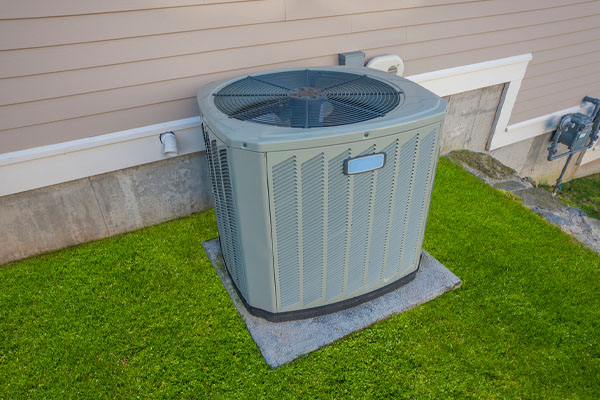
Practical Steps to Navigate AC Repairs, Upgrades, and Long‑Term Comfort Decisions
Homeowners face a maze when an air conditioner falters, so start by defining the symptom clearly and documenting when it occurs. In practice, note thermostat settings, outdoor temperature, unusual noises, and any breaker trips. This simple log helps a technician distinguish electrical, refrigerant, or airflow issues. Meanwhile, gather model and filter size information so parts sourcing and initial diagnostics move faster and with fewer repeat visits.
Beyond that, scope the service level you truly need. Emergency AC Repair (24/7) makes sense when the system is down during extreme heat or there’s a safety concern like electrical burning smells. Otherwise, scheduling standard A/C system repair can reduce costs and allow for a more thorough inspection window. Ask the technician to prioritize fixes by urgency, comfort impact, and potential to prevent secondary damage.
Next, verify airflow fundamentals before chasing complex solutions. Replace or clean filters, confirm return grilles aren’t blocked, and inspect supply vents for balance. Then request Ductwork inspection to identify crushed flex lines, disconnected runs, or gaps near plenums. Duct sealing and repair often restores lost capacity and reduces runtimes, which can delay larger investments while improving comfort in hard‑to‑serve rooms.
However, be ready to phase improvements when equipment is aging. Air Conditioning Tune-Ups can stabilize marginal performance and uncover components near end of life. If repeated failures emerge, compare targeted repairs against Air conditioning replacement / New AC installation. Weigh efficiency gains, warranty coverage, and refrigerant type, and validate that the proposed capacity matches the home’s load rather than the nameplate of the old unit.
Often, control strategy drives both comfort and energy use. Calibrate setpoints and schedules, and consider Smart thermostat installation if you want geofencing, staged equipment control, or dehumidification setpoints. If your current stat short cycles the system or loses power intermittently, Thermostat repair or a fresh Install thermostat may resolve erratic behavior without touching the outdoor unit or air handler.
Meanwhile, think holistically about Heating, Ventilation And Air Conditioning interactions. Split System Air Conditioning Units, heat pumps, furnaces, and ductless heads all influence airflow and pressure. When pairing New Ac with an existing furnace or coil, ensure refrigerant compatibility and validate static pressure across the air handler. Mismatched components can undercut efficiency, so request HVAC system diagnostics before finalizing any mix‑and‑match plan.
Then consider indoor air quality as part of the service scope. Whole‑home dehumidifier installation can steady humidity in muggy seasons, reducing latent load on the AC. Air purifier installation and Indoor air quality testing help address particulates and odors that filters alone miss. If you’re addressing allergies or dust, HVAC duct & vent repair and proper filtration media sizing can reduce recirculated debris and protect the coil.
Beyond budgeting, align on lifecycle expectations. Ask for second‑opinion estimates on AC or heating replacement if proposals vary widely in tonnage or SEER2 ratings. Energy‑saving services and high‑efficiency upgrades may involve variable‑speed blowers, improved attic insulation, or duct redesign. Sequence work so envelope improvements happen before final system sizing, preventing oversizing and improving part‑load comfort and noise control.
Additionally, account for use patterns in Residential And Commercial settings. Light‑duty residential needs differ from long‑hour retail or office spaces where zoning and setback strategies matter. System design and duct design can separate high‑load areas, while Ductless heating & A/C services add flexibility for additions or server rooms. Validate controls so after‑hours runtimes aren’t inflating bills without delivering meaningful comfort.
Finally, safeguard the investment with Routine Maintenance and Seasonal HVAC maintenance / annual maintenance. Establish filter change intervals, drain line cleanouts, and coil wash schedules. Request AC performance and efficiency evaluations seasonally to catch drifting pressures or fan issues early. Document serial numbers, capacitor values, and refrigerant data so future HVAC system repair visits are faster, better scoped, and less disruptive when the next heatwave arrives.